


CRM and Security Regulations: Everything You Need to Know in 2025
In an increasingly digitized world, organizations are beginning to understand the importance of data security and customer relationship management (CRM). With the rise of regulations concerning privacy and security, it is essential for companies to stay informed about the security regulations impacting their CRM systems. This article explores the most relevant security regulations companies must consider in 2025, as well as providing recommendations on how to implement a robust CRM system that adheres to these requirements.
What is CRM?
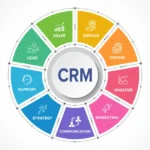
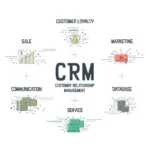
CRM, or Customer Relationship Management, allows companies to manage interactions with their customers and prospects. CRM systems help organizations streamline business processes, enhance customer relationships, and increase marketing efficiency. With a well-implemented CRM system, companies can store customer information, manage sales, track marketing activities, and much more.
The Importance of CRM in Today’s Context
The current market competitiveness demands that businesses take a more strategic approach to customer relationships. A CRM not only gathers data, but also provides valuable insights that help businesses understand customer needs and behaviors, enabling them to anticipate their requirements.
Security Regulations in 2025
As we move toward 2025, regulations regarding data protection and privacy continue to evolve. Some of the most relevant regulations include:
GDPR
The General Data Protection Regulation (GDPR) of the European Union is one of the most stringent data privacy regulations. This regulation sets clear guidelines on how organizations can collect, store, and use personal information. Non-compliance with GDPR can result in severe penalties.
CCPA
The California Consumer Privacy Act (CCPA) grants privacy rights to California residents and requires companies that collect personal information to disclose how they use it. Organizations must adapt to these requirements to avoid sanctions and to generate trust with consumers.
Brazil’s General Data Protection Law (LGPD)
Similar to GDPR, the LGPD establishes norms for the collection and handling of personal data in Brazil. Companies that operate in Brazil or with clients in Brazil must comply with this legislation to ensure that privacy rights are upheld.
The Intersection of CRM and Security
Having a robust and secure CRM system is crucial for ensuring that customer data handling aligns with security regulations. Below are some recommended practices that organizations should consider:
Secure CRM Implementation Practices
-
Regular Security Audits: Organizations should conduct regular security audits to identify and correct vulnerabilities in their CRM systems.
-
Data Encryption: Protecting sensitive information through encryption is fundamental. This ensures that even if data is intercepted, it remains protected and inaccessible to unauthorized individuals.
-
Access Control: Establishing clear access levels for different roles within the organization can minimize the risk of data exposure. Only authorized personnel should have access to sensitive information.
-
Security Training: Educating staff on best practices and regulations related to data protection is essential for maintaining a secure working environment.
Cloud-Based CRM Solutions and Security
Cloud-based CRM systems offer various advantages, such as accessibility and efficiency. However, they also present challenges in terms of security. Here are some aspects to consider:
-
Cloud Service Providers: When selecting a provider, organizations should carry out thorough research to ensure they comply with necessary regulations and have a good security track record.
-
Backup Policy: Implementing effective backup policies is crucial for data recovery in the event of security incidents. Backups should be stored in secure locations and tested regularly.
Trends in CRM and Security for 2025
As we approach 2025, certain trends at the intersection of CRM and security are set to take center stage:
Artificial Intelligence and Machine Learning
The use of artificial intelligence and machine learning in CRM will enable companies to predict customer behaviors and deliver more personalized service. However, handling this data requires special attention to security to prevent misuse of personal information.
Integration with Emerging Technologies
Companies will begin integrating their CRM systems with emerging technologies like the Internet of Things (IoT) and blockchain. These technologies not only enhance efficiency but may also improve data security by providing a more secure record.
Increased Focus on User Privacy
With the rising awareness of privacy, companies will need to take a proactive approach in protecting customer data. Transparency and ethics in handling information will be crucial for building and maintaining consumer trust.
Conclusion
In conclusion, the connection between CRM and security regulations is more critical than ever in 2025. Companies must not only ensure that their CRM systems comply with regulations such as GDPR, CCPA, and LGPD but also implement strong data handling and security practices. Adopting emerging technologies and prioritizing user privacy will be key strategies to remain competitive in the market while ensuring the integrity and protection of sensitive information.
Written by Domingo Hernández.