





CRM and Security: How to Prevent Data Breaches in Your Business
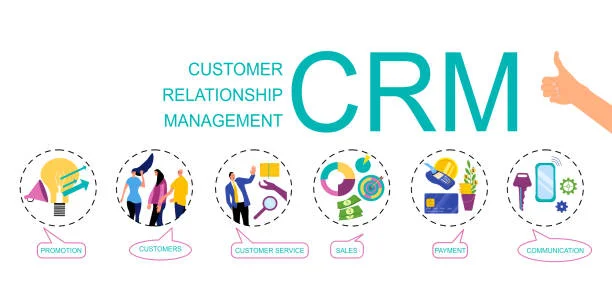
In today’s digital landscape, Customer Relationship Management (CRM) systems serve as the backbone of modern business operations. They are pivotal for managing interactions with customers and potential clients, helping businesses streamline processes, boost sales, and improve overall customer satisfaction. However, as organizations increasingly rely on CRM systems to manage sensitive data, the risk of data breaches poses a significant challenge. In this article, we will explore best practices for enhancing CRM security, ensuring that your business remains protected from unauthorized access and data breaches.
Understanding Data Breaches
What is a Data Breach?
A data breach occurs when sensitive, protected, or confidential data is accessed, stolen, or disclosed without authorization. These breaches can stem from a variety of sources, including malware attacks, insider threats, physical theft, and human error, leading to serious consequences for organizations and their customers.
The Impact of Data Breaches on Businesses
Data breaches can result in severe ramifications for businesses, including financial losses, regulatory fines, reputational damage, and loss of customer trust. According to IBM’s Cost of a Data Breach Report, the average total cost of a data breach has reached an all-time high, making it imperative for businesses to implement robust security measures to safeguard their data.
Best Practices for CRM Security
Implementing a secure CRM system is not merely a technical requirement; it is essential for maintaining trust and protecting a company’s reputation. Here are several best practices to help prevent data breaches within your CRM:
1. Implement Strict Access Controls
Access controls are the first line of defense against unauthorized data access. Ensure only authorized personnel have access to sensitive data by implementing user accounts and roles with specific permissions. Administrators should have restricted access to sensitive information, while regular employees should only be granted access necessary for their job functions. This practice aligns with the principle of least privilege, which minimizes the potential attack surface by limiting access rights.
2. Utilize Strong Password Policies
Weak passwords are among the most common causes of data breaches. To mitigate this risk, enforce a strong password policy requiring passwords to be complex, consisting of at least 12 characters, including upper and lower case letters, numbers, and symbols. Encourage employees to change passwords regularly and to avoid reusing passwords across multiple accounts.
3. Enable Multi-Factor Authentication (MFA)
Multi-factor authentication adds an additional security layer beyond just passwords. By requiring a second form of identification, such as a code sent to a mobile device or a biometric scan, MFA makes it more challenging for unauthorized users to gain access even if they have compromised the password.
4. Regularly Update Software and Systems
Keeping your CRM software up-to-date is crucial to maintaining its security. Regular updates often include patches for security vulnerabilities, bug fixes, and enhancements that improve overall functionality. Delaying updates can leave systems exposed to threats that exploit known vulnerabilities.
5. Encrypt Sensitive Data
Encryption converts sensitive data into an unreadable format, which can only be decrypted with the correct key. Implement encryption protocols for data both at rest (stored data) and in transit (data being transmitted). This ensures even if the data is intercepted or accessed unlawfully, it remains unreadable and secure.
6. Conduct Regular Security Audits
Regular security audits are vital for identifying vulnerabilities within your CRM system. These audits should assess both technological and administrative controls to ensure compliance with established security policies. Address any vulnerabilities discovered during the audit promptly to reduce the risk of data breaches.
7. Employee Training and Awareness
Human error remains one of the top causes of data breaches. Comprehensive training programs should be implemented to educate employees about the importance of data security and the current threat landscape. Topics should include recognizing phishing attacks, proper data handling procedures, and the significance of strong password practices.
8. Limit Data Retention
Organizations often retain sensitive data longer than necessary, increasing the risk of it being compromised. Establish a data retention policy that outlines how long to keep data and when to securely delete unnecessary or outdated information. This approach not only enhances security but also aids compliance with data protection regulations.
9. Regularly Back Up Your Data
Data backups play a crucial role in protecting against data loss due to breaches, system failures, or cyberattacks. Regularly back up your CRM data and store it securely offsite or in a cloud service with strong security measures. Conduct tests to ensure backups can be restored quickly and efficiently when needed.
10. Monitor User Activity
Monitoring user activity is vital for detecting suspicious behavior that could indicate a data breach. Implement logging and alerting mechanisms to track access to sensitive data and identify any unauthorized attempts to view or modify that data. Behavioral analytics tools can provide insights into user activities and trigger alerts for unusual behaviors.
11. Use Security Software and Firewalls
Deploy robust security software and firewalls to protect your CRM system from threats. Firewalls can help block unauthorized access to the network, while security software can detect and mitigate malware and other threats. Regularly update and configure these systems to enhance their effectiveness.
12. Develop an Incident Response Plan
Even with the best preventive measures, data breaches may still occur. Developing a comprehensive incident response plan ensures that your organization can respond promptly and efficiently to minimize damage. This plan should outline specific roles and responsibilities, communication strategies, and remediation steps.
Conclusion
The integration of effective security measures into your CRM strategy is essential for safeguarding sensitive customer data and maintaining the trust of your clientele. By following these best practices—implementing strict access controls, utilizing strong passwords, enabling multi-factor authentication, and remaining vigilant—your organization can significantly reduce the risk of data breaches. Remember that a proactive approach to data security is not just about protecting information; it’s about establishing a secure environment where business can thrive without the looming threat of data compromise.